Domestic abuse does not only affect your feelings or your home life. It can also affect your body and health, sometimes for a long time.
This does not mean there is something wrong with you. It means your body has been trying to cope with stress, fear, and pain.
Abuse Can Keep the Body on Alert
When you live with abuse, your body may stay ready for danger.
You may feel tense, tired, shaky, or unable to rest. You may have trouble sleeping. You may feel sick, get headaches, or have stomach problems.
Your body may have spent a long time trying to protect you.
Even after abuse ends, it can take time for your body to feel safe again.
Stress Can Affect Many Parts of Health
Long-term fear and stress can affect the whole body.
Some people notice:
Poor sleep
Low energy
Pain in the body
Panic feelings
Digestive problems
Headaches
Changes in eating
Feeling numb or disconnected
Low mood or anxiety
These symptoms are real. They are not “all in your head”.

It Can Be Hard to Ask for Help
You may have been made to feel that your needs did not matter. You may have been stopped from seeing a doctor. You may feel embarrassed or worried that no one will understand.
But you deserve care.
You can speak to your GP about physical symptoms, sleep, pain, anxiety, or low mood. You do not have to explain everything at once. You can take it one step at a time.
Healing Can Be Gentle
Healing does not mean you have to be positive all the time. It does not mean you must rush.
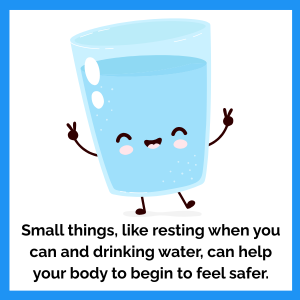
Small things can help your body begin to feel safer.
You could try:
Resting when you can
Eating simple meals
Drinking water
Getting fresh air
Speaking to someone safe like a helpline worker or a counsellor
Keeping medical appointments
Writing down symptoms before seeing a GP
These steps may seem small, but they matter.
You Are Not Broken
Abuse can leave deep marks, but it does not take away your worth. Your body and mind have worked hard to survive.
With support, rest, safety, and care, healing is possible.
Final Thoughts
Your health matters because you matter. You deserve help that is kind, patient, and safe.
Need Support? We Can Help.
Our helpline is here if you need someone safe to talk to. You will be met by a supportive, all-women team who understand that abuse can affect every part of life. We will not contact you out of the blue, and we can help set up safe ways to talk to us. We are on your side and will support you in every way we can.
Calls to our helpline are free from landlines and mobile phones within the UK and do not appear on itemised bills. There is no pressure and everything is confidential.

Helpline: 0808 800 0340
Sometimes our helpline is busy and you might not get through the first time, so please try again. We will always call you back if you leave a message stating it is safe to do so and if you leave us a safe contact number in your message.
If you are hearing impaired, text “Relay/NGT” to 18001 0808 800 0340. This option is available 24-hours a day, 365 days a year.
You can also email us on [email protected] 9 am – 9 pm.
Please note, we may not be able to respond to emails straight away, but will try to reply within 24 hours.
National Help
If you’re further afield, you could contact other charities like Women’s Aid, who have instant messaging and email contact on their website: https://www.womensaid.org.uk/
The National Domestic Abuse Helpline (0808 2000 247) also provide confidential support. They can help you make a safety plan, find safe housing, and access legal protections.
The deaf health charity Signhealth also runs a domestic abuse support service, DeafHope, using British Sign Language (BSL).
The Survivor’s Trust (for sexual abuse and assault support) – www.thesurvivorstrust.org