
When people hear the word “abuse,” they often think of physical violence. But emotional abuse can be just as damaging – and often harder to recognise. It can leave deep scars that affect your confidence, sense of self, and ability to trust others.
If you’re reading this, you may already be questioning things in your relationship or reflecting on the past. That alone takes strength. Understanding emotional abuse is an important step in healing – and in protecting yourself going forward.
What Is Emotional Abuse?
Emotional abuse is a pattern of behaviour designed to control, frighten, or isolate you. It often happens slowly and gradually. You may not notice it at first. Many women blame themselves or believe they’re overreacting. But emotional abuse is real, and it is never your fault.

Here are some common types of emotional abuse:
1. Gaslighting
This is when someone makes you doubt your own memories, feelings, or sanity. They might say, “You’re imagining things,” or “You’re too sensitive,” even when you’re sure something happened. Over time, this can make you lose trust in your own judgement.
2. Constant Criticism
This can be subtle or obvious. It might sound like “I’m only saying this for your own good,” but it’s really about tearing you down – criticising your looks, your intelligence, your parenting, or anything else that matters to you.
3. Control and Isolation
Emotional abusers often try to control who you see, what you wear, how you spend your time, or even what you eat. They may slowly cut you off from friends or family, leaving you isolated and dependent on them.
4. Blame and Guilt-Tripping
They might blame you for everything that goes wrong – from their bad mood to a lost job – or guilt you into doing things by saying you don’t care about them if you don’t comply.
5. Threats and Intimidation
These don’t have to be physical. They might threaten to leave, take the children, or harm themselves if you “don’t behave.” This creates fear and keeps you walking on eggshells.
It’s Still Abuse
Many survivors say they didn’t realise they were being abused because there were no bruises. But emotional abuse is serious – it chips away at your identity and sense of worth. And often, it’s part of a bigger pattern that can include financial, sexual, or physical abuse too.
You don’t need permission to leave, to ask for help, or to say, “This isn’t okay.” What you’ve experienced is valid – and so are your feelings.
Healing from Emotional Abuse
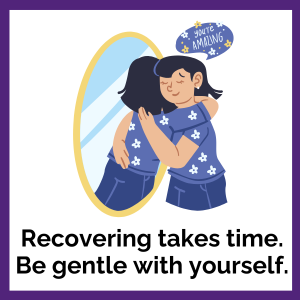
Recovering takes time. Be gentle with yourself. It’s normal to feel confused, angry, sad, or even guilty – these are all part of the process.
Speaking to someone can really help. Whether it’s a support worker, a counsellor, or someone on our helpline, talking things through with someone who understands can be incredibly healing. You are not alone.
Final Thoughts
Emotional abuse is often invisible, but its effects are very real. If you’ve experienced it, please know that you are not weak or broken – you are someone who’s been through something painful and is finding the strength to move forward. Recognising emotional abuse is a powerful act of self-respect.
Juno Help
If anything in this blog feels familiar, please don’t suffer in silence. Our helpline is open 24/7, every day of the year. The team is kind, experienced, and here to support you without judgement or pressure. We understand emotional abuse and we’ll always believe you. You’re not alone – we’re here whenever you need us.
Calls to our helpline are free from landlines and mobile phones within the UK and do not appear on itemised bills. There is no pressure and everything is confidential.

Helpline: 0808 800 0340
Sometimes our helpline is busy and you might not get through the first time, so please try again. We will always call you back if you leave a message stating it is safe to do so and if you leave us a safe contact number in your message.
If you are hearing impaired, text “Relay/NGT” to 18001 0808 800 0340. This option is available 24-hours a day, 365 days a year.
You can also email us on [email protected] 9 am – 9 pm.
Please note, we may not be able to respond to emails straight away, but will try to reply within 24 hours.
National Help
If you’re further afield, you could contact other charities like Women’s Aid, who have instant messaging and email contact on their website: https://www.womensaid.org.uk/
The National Domestic Abuse Helpline (0808 2000 247) also provide confidential support. They can help you make a safety plan, find safe housing, and access legal protections.
The deaf health charity Signhealth also runs a domestic abuse support service, DeafHope, using British Sign Language (BSL).
The Survivor’s Trust (for sexual abuse and assault support) – www.thesurvivorstrust.org